












One of the companies powering the global artificial intelligence boom has opened a new door for U.S. investors.
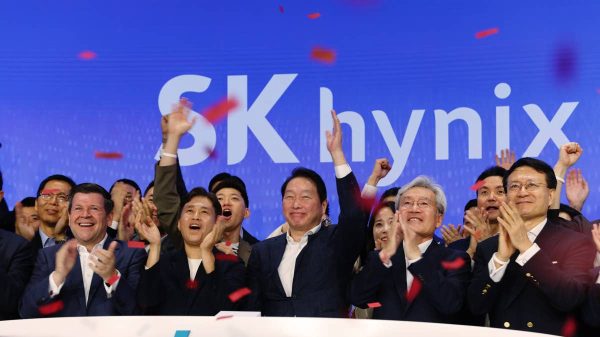
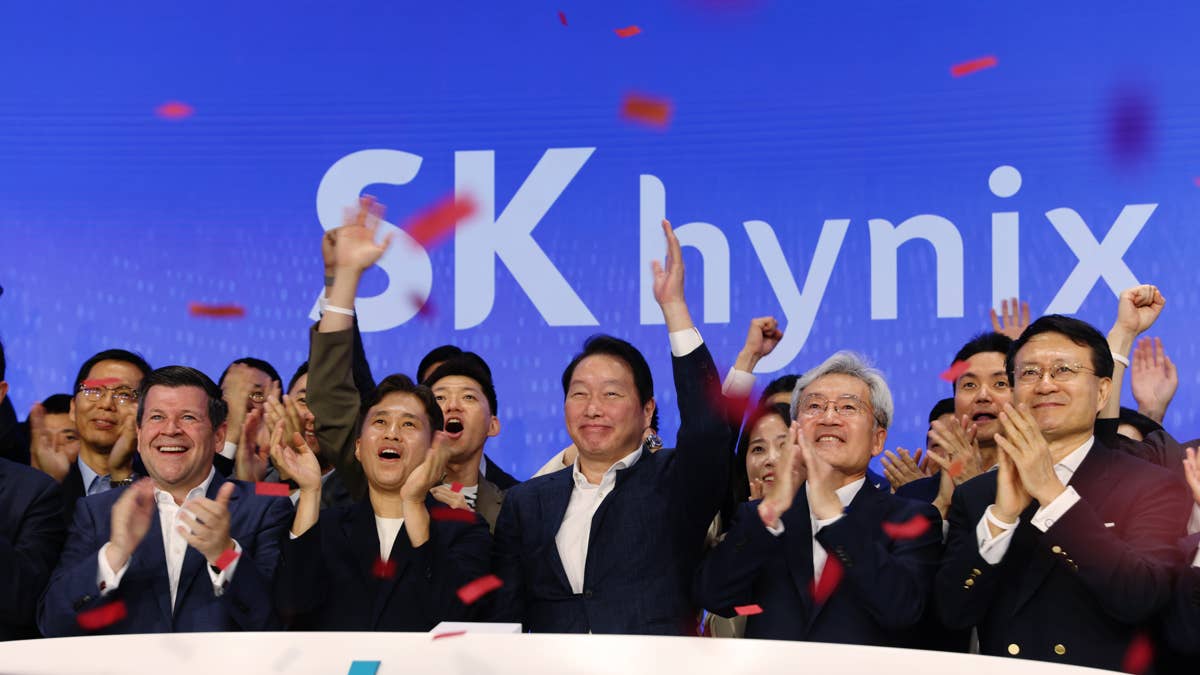
SK Hynix, a South Korean semiconductor manufacturer that produces memory chips used in AI servers, smartphones, computers, vehicles, and other electronic devices, made headlines after its Nasdaq debut on July 10, 2026.
The company is especially important to the AI industry because it is a leading producer of high-bandwidth memory, or HBM.
Those chips sit alongside powerful processors and allow AI systems to move enormous amounts of data quickly.
SK Hynix also produces dynamic random-access memory, better known as DRAM, along with NAND flash storage, solid-state drives, and multi-chip packages.
Its products reach data centers and everyday consumer devices.
This position helped generate intense demand when SK Hynix brought its shares to Nasdaq through a $26.5 billion American depositary receipt offering.
But the stock’s first few days in the U.S. market have also shown how quickly enthusiasm around AI chips can reverse.
SK Hynix stock gives back most of its debut gain
SK Hynix priced its U.S. offering at $149 per ADR before the shares began trading on a when-issued basis on July 10.
The stock opened at $170, roughly 14% above its offering price, reached $177, and finished its first session at $168.01.
However, by midday on July 13, SK Hynix shares fell around 9%, hitting a low of $151.30 and giving back most of its opening-day jump.
And the day ended with SK Hynix closing at $139.14.
More AI:
- The new Chinese AI model rattling U.S. tech investors
- Anthropic restores access to Mythos 5 for select organizations
- SoftBank CEO offers stinging critique of Musk’s AI bet
That contrast from a strong debut to a sharp pullback the next trading day captures the debate surrounding SK Hynix.
Investors are gaining easier access to a major supplier of the memory chips required for AI.
But they are also buying into an industry known for expensive factories, rapid changes in supply and demand, and dramatic swings in memory-chip prices.
All of which has a dynamic effect on stock prices, and investors are aware of it.
Look at SpaceX, down 14% this past month, and at $137 on Monday, July 13, it has edged closer to its $135 IPO price.
Meanwhile, the selling was even more severe in South Korea.
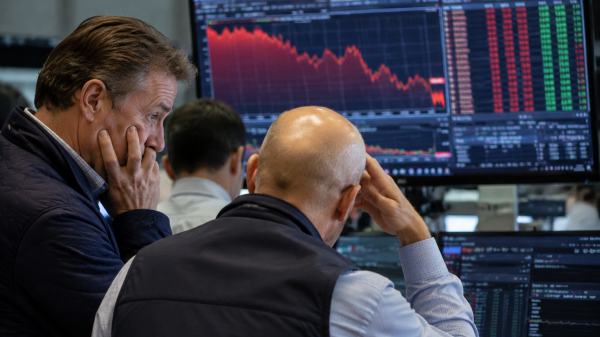
SK Hynix’s Seoul-listed shares fell more than 15% on July 13 as investors locked in profits following a huge AI-driven rally.
The selloff pulled South Korea’s Kospi index down about 9% and triggered a temporary marketwide trading halt, Reuters reported.
TheStreet Pro’s Alex Frew McMillan notes that the listing comes at a “tumultuous” time, “with the bull run in semiconductor stocks looking decidedly toppy, creating very choppy trade.”
“Any hint of a sale or profit slowdown is punished severely after a record first six months of the year,” said McMillan.
Bloomberg / Getty Images
SK Hynix completes a historic U.S. offering
Despite the Monday sell-off, SK Hynix sold 177.9 million ADRs at $149 each, raising about $26.5 billion.
Ten ADRs represent one SK Hynix ordinary share.
The transaction therefore represented the equivalent of 17.79 million newly issued shares, or about 2.44% of the company’s shares outstanding following the offering.
Demand was more than seven times the number of shares available, reflecting strong investor interest in a company at the center of the AI memory supply chain.
The deal surpassed Alibaba’s $25 billion 2014 offering as the largest U.S. stock sale by a company based outside the United States, according to TheStreet Pro.
SK Hynix began trading on July 10 under the temporary ticker SKHYV on a when-issued basis.
The ticker changed to SKHY when regular-way trading began on July 13, with settlement scheduled for July 14.
Although the transaction is being described as an IPO, SK Hynix did not become a publicly traded company for the first time.
The business was founded as Hyundai Electronics in 1983 and began its initial public offering process in South Korea in 1996.
It joined SK Group and adopted the SK Hynix name in 2012.
Its ordinary shares have traded on the Seoul exchange for decades.
The 2026 transaction is a U.S. offering of sponsored ADRs intended to raise money for additional factories and equipment.
Before the Nasdaq listing, U.S. investors could access unsponsored SK Hynix ADRs over the counter under the ticker HXSCL.
But trading volume was limited, and the company was not directly involved in that program.
The new sponsored listing should provide stronger trading liquidity and better price discovery, according to McMillan.
Analysts see volatility after SK Hynix’s hot debut
The strong demand did not eliminate concerns that investors might rush to take profits after the shares began trading.
TheStreet Pro’s James “Rev Shark” DePorre questioned before the debut whether SK Hynix could experience the same “sell-the-news” pressure that followed SpaceX’s listing.
DePorre noted that SK Hynix’s deal was driven more heavily by institutional investors.
Baillie Gifford, Coatue Management, and Situational Awareness Partners took roughly one-quarter of the offering.
That investor mix could mean fewer traders quickly flipping their allocations, though DePorre said selling pressure could still emerge after initial demand fades.
The decline arrived sooner than that thesis suggested.
SK Hynix’s U.S. shares fell nearly 9% on their first day of regular trading, while the company’s South Korean shares suffered an even larger loss.
McMillan had also warned investors to expect “intense volatility” because semiconductor trading had become highly leveraged and memory-chip stocks had already posted enormous gains.
SK Hynix’s Seoul shares had risen almost 359% from the beginning of 2026 through their June 25 record before retreating nearly 27% from that high by July 9.
TheStreet Pro analyst also highlighted customer concentration and the possibility that major technology companies could eventually slow spending on AI data centers.
Why SK Hynix matters to consumers
SK Hynix’s business may sound far removed from the average shopper, but memory chips affect the price and performance of many products consumers use daily.
DRAM provides the short-term working memory that allows computers, phones, and other devices to run applications and access information quickly.
NAND flash stores data after a device is turned off and is used in smartphones, tablets, solid-state drives, and other electronics.
SK Hynix also manufactures complementary metal-oxide semiconductor image sensors, or CIS products.
Those sensors can be used in smartphones, laptops, medical devices, digital cameras, vehicles, security systems, gaming consoles, and home appliances.
The company’s HBM products are more directly tied to data centers, but the consequences of the AI spending boom can spread throughout the electronics industry.
AI companies and cloud providers have been buying large quantities of advanced memory, tightening supply and driving up prices.
McMillan noted that elevated chip costs were already moving through the production chain and contributing to higher prices for products such as Microsoft’s Xbox Series X and Sony’s PlayStation 5 at a point in their life cycles when consoles would typically be discounted.
For consumers, SK Hynix’s expansion could eventually help ease memory shortages by adding new production.
But those factories take years and billions of dollars to complete.
In the meantime, strong demand for AI infrastructure can keep memory prices elevated, potentially increasing costs for PCs, smartphones, gaming systems, and other devices.
SK Hynix has also become one of the biggest winners from the rapid expansion of AI data centers.
The company held about 58% of the global HBM market by revenue and 29% of DRAM share during the first quarter of 2026, according to Counterpoint Research.
The bullish case is that spending on AI servers will continue to grow, keeping demand for HBM and advanced DRAM ahead of available supply.
The stock’s opening-day surge showed how eager investors were to make that bet.
But its sharp decline the next day also shows how quickly they can reconsider it.
Related: Bessent’s Treasury has troubling news for every taxpayer