


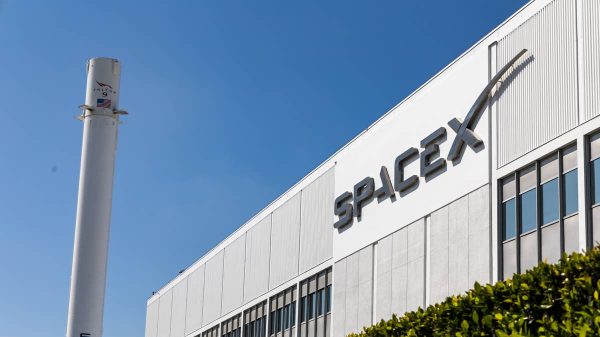
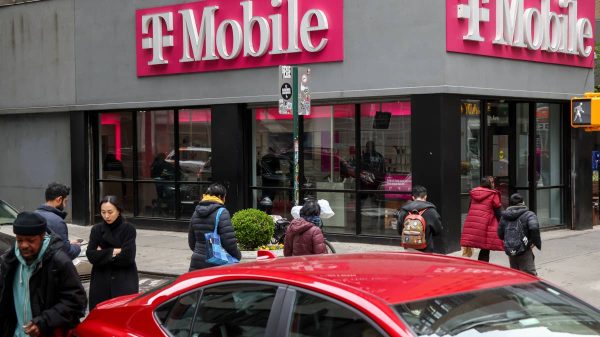

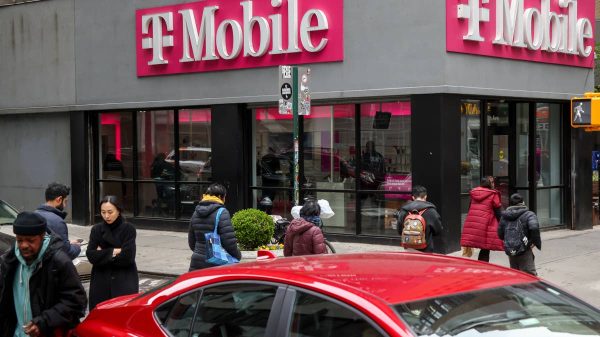






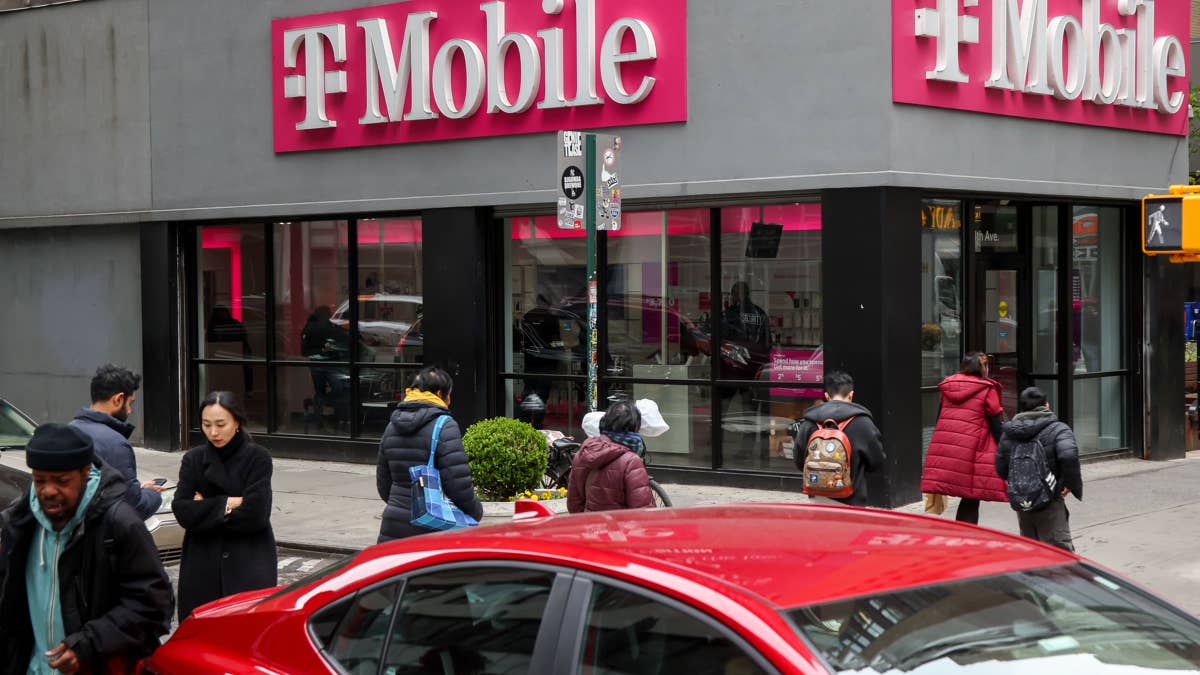
Wall Street has spent the first half of 2026 worrying about SpaceX and its Starlink satellite service crashing the wireless party. Shares of T-Mobile are down 10% in 2026 in light of investor concerns about competition from SpaceX (SPCX) and peers.
Yet one of Wall Street’s biggest banks just doubled down on the telecom stock anyway.
In a research report shared with me, Morgan Stanley reiterated T-Mobile (TMUS) as its Top Pick in the Telecom and Cable sector on July 7, even as it trimmed its price target.
That combination tells investors something important about how seriously to take the satellite threat.
The space race has telecom investors nervous
Starlink’s rise has rattled the whole sector this year.
Cable stocks got hit hardest, with Charter down 36% and Comcast down 16% year to date and AT&T falling 14%. T-Mobile dropped 10%, and Verizon was the lone gainer, up 5%.
The threats from SpaceX are real, explains Morgan Stanley:
- Starlink already offers home internet from space, and investors fear it could soon pose real competition to mobile phone service, too.
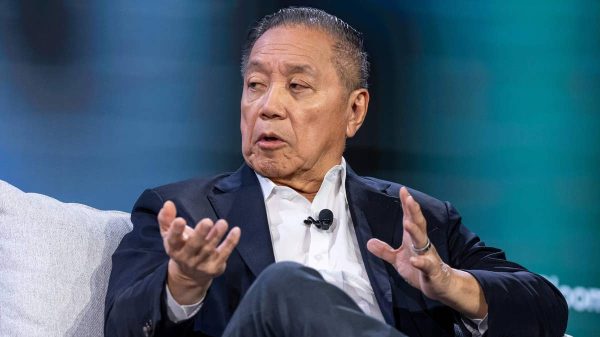
- Morgan Stanley analyst Sean Diffley and his team now expect Starlink to reach about 16 million U.S. broadband subscribers by 2030, up from roughly three million last year.
- That forecast forced Morgan Stanley to lower its long-term outlook for cable and fiber growth across the industry.
- Comcast’s price target dropped to $30 from $33. AT&T’s fell to $25 from $30.
- The T-Mobile stock price target fell to $230 from $260 and rolled forward to reflect a mid-2027 valuation.
Even so, that new target still points to solid upside from today’s levels.
T-Mobile still wins the growth race
Here is where the picture brightens for T-Mobile.
Morgan Stanley expects the company to lead the industry in postpaid phone net additions with 2.5 million in 2026.
That beats Comcast’s 1.6 million, AT&T’s 1.3 million, and Verizon’s roughly 1 million.
The investment firm also expects T-Mobile’s adjusted profit margin to expand to 48.5% this year (from 47.6% in 2025), and eventually to 51.1% by 2028. No other major carrier is projected to grow that fast.
Related: Comcast targets frustrated T-Mobile customers with free offer
Part of the reason is pricing, given existing T-Mobile customers pay roughly 10% less on average than customers at rival carriers.
New customers, meanwhile, are increasingly choosing pricier premium plans. That mix should keep service revenue growing at a mid- to high-single-digit pace through the rest of the decade, the bank said.
T-Mobile also carries less risk from Starlink than its rivals do.
The company relies on partnerships and joint ventures for fiber expansion rather than building its own network from scratch.
That capital-light approach means less money tied up in infrastructure that satellite competition could make obsolete.
Bloomberg/Getty Images
Is the Starlink threat a major headwind?
Morgan Stanley’s analysts put it plainly in the report. “We believe the perceived risk of Starlink Mobile disrupting the US Wireless industry is greater than the actual risk.”
Last month, the Federal Communications Commission wrapped up its AWS 3 spectrum auction, the first major U.S. wireless spectrum sale in four years.
Verizon spent nearly $3.2 billion, or nearly 90% of the total funds raised, to shore up its network.
SpaceX, in contrast, spent about $8.5 million. It bid on licenses in only six of 200 available markets and won just two, covering the Gulf of Mexico and the Cincinnati area.
That is a tiny bet for a company supposedly gunning for the U.S. wireless market.
The bank believes SpaceX will lean on partnerships with existing carriers for direct-to-phone service in the U.S., rather than building out its own competing network.
More T-Mobile:
- T-Mobile warns customers that a key service will double in price
- T-Mobile adds new internet plan restriction customers will feel
- T-Mobile’s hiring efforts take an unexpected turn after layoffs
Big U.S. carriers, for their part, have shown little appetite for letting a potentially disruptive satellite player onto their networks as a partner.
There are also basic physics working in favor of ground-based networks. Satellites orbit at hundreds of kilometers and can only support a limited number of users in any one coverage area at a time.
That makes satellite service well-suited to rural and underserved regions, but far less practical in crowded cities, where cell towers pack far more capacity into a small space.
Satellites also last around five years before needing replacement, compared with 30 years or more for fiber optic cable.
None of this means the satellite story is over. SpaceX plans 35 Starship launches in 2027, and its next-generation satellites will carry more than 10 times the bandwidth of today’s models. That buildout could change the competitive math down the road.
For now, though, Morgan Stanley’s message is clear. T-Mobile’s spectrum position, pricing edge, and subscriber growth outpace the risk posed by Starlink anytime soon, keeping it the analyst’s favorite pick in a sector under pressure.
Related: T-Mobile stands to benefit as rival files Chapter 11 bankruptcy