












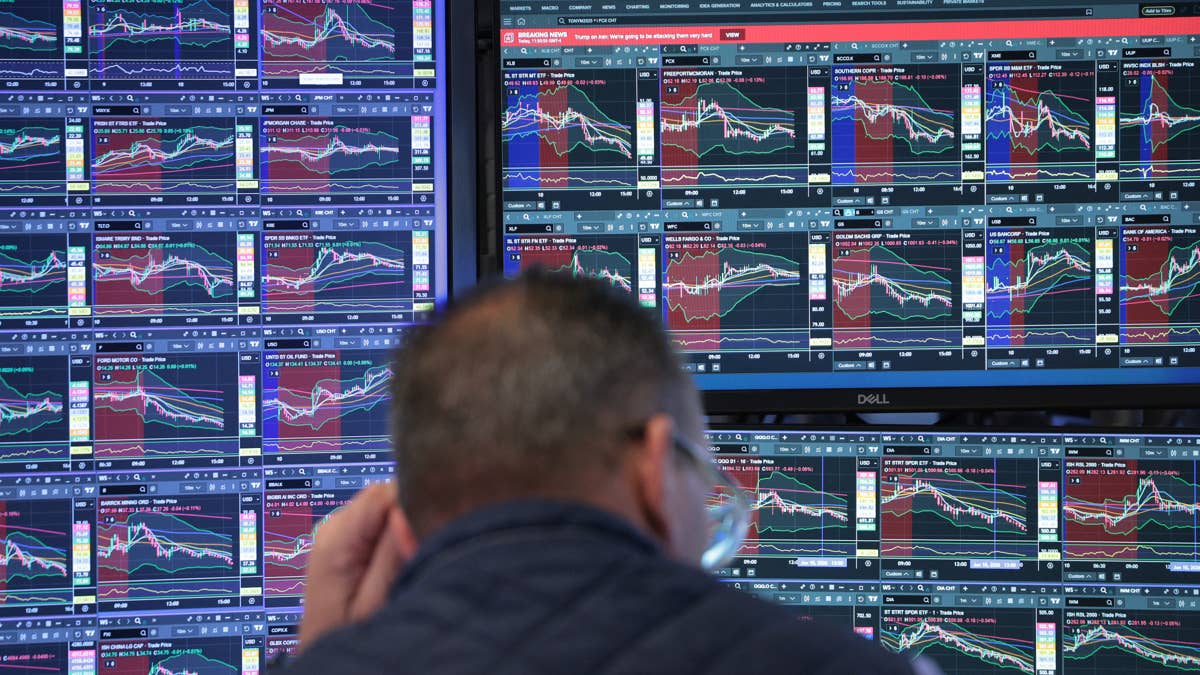
The S&P 500 has climbed to near-record highs despite growing concerns about valuations, AI spending, and signs of speculative behavior across parts of the market.
The S&P 500 has rallied 8% year to date, after delivering double-digit gains in 2023, 2024, and 2025.
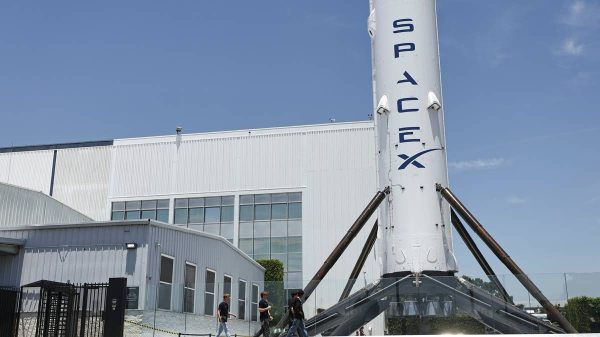
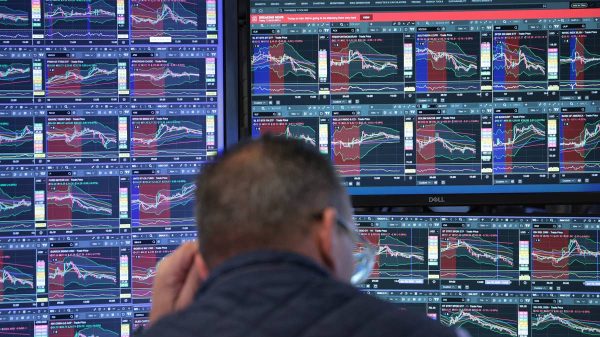
Investors have recently watched Micron reach a $1 trillion valuation, shares of SanDisk and Intel soar, and demand for a potential SpaceXIPO reach a fever pitch. At the same time, the market suffered a sharp pullback on June 5 as investors questioned whether the AI trade had gone too far.
Goldman Sachs believes the recent volatility has not changed the bigger picture.
“The path will remain bumpy, but earnings growth should continue to lift US equities,” Goldman analysts wrote in a recent note sent to TheStreet.
The firm expects the S&P 500 index to rise another 8% by year-end, reaching 8,000.
Earnings growth is the fundamental bull engine
While investors debate valuations and AI spending, Goldman says that corporate earnings remain the most important factor.
“Earnings growth should continue to lift US equities,” the firm wrote.
Goldman expects S&P 500 earnings per share to grow 24% in 2026 and another 13% in 2027.
Getty Images
The firm pointed to a strong first quarter, when aggregate S&P 500 earnings rose 18% year over year, excluding certain one-time items. The median company posted earnings growth of 14%, making it one of the strongest quarters in roughly a decade.
Goldman also pushed back against concerns that a surge in stock issuance could undermine the rally.
The firm estimates U.S. companies will issue roughly $700 billion of equity this year, equivalent to about 1% of Russell 3000 market capitalization and roughly in line with historical averages.
Related: Goldman Sachs sends strong message on next Fed rate cut
Meanwhile, Goldman expects companies to repurchase about $1 trillion of stock, helping absorb new supply.
The firm said IPO activity is increasing but remains far below the levels seen during previous market peaks. Goldman expects roughly 100 IPOs this year, compared with more than 250 in 2021 and nearly 400 during the dot-com era.
Goldman says the AI boom is still accelerating
Artificial intelligence remains at the center of the market’s biggest debate. Some investors are concerned that the massive spending by technology companies may not ultimately generate returns enough to justify the industry’s soaring valuations.
Goldman acknowledges those concerns but sees little evidence that spending is slowing.
“The AI investment boom shows no sign of slowing,” the firm wrote.
Related: Cathie Wood buys $4.3 million of tumbling tech stock
According to Goldman, consensus forecasts call for the largest U.S. hyperscalers to spend more than $750 billion on capital expenditures this year, up 84% from 2025 and roughly $200 billion higher than estimates at the start of the year. The firm expect spending to climb another 20% next year to about $920 billion.
Goldman also estimates that AI infrastructure companies will generate roughly half of total S&P 500 earnings growth this year.
“AI infrastructure stocks will generate roughly half of S&P 500 EPS growth this year and have driven most of the YTD increase in index EPS estimates,” the analysts wrote.
Still, investors remain uneasy about how long that dynamic can continue.
“The key question is whether the earnings boost from AI investment fades before broader returns on those investments appear across corporate America. But that question is unlikely to be resolved soon,” Goldman wrote.
The June 5 selloff highlighted those concerns.
“Recent volatility is a precursor to more ahead,” the firm wrote.
“As investors worried that the market had run ‘too far, too fast,’ a hot jobs print, renewed concerns about the economics of the AI ecosystem, and reports of hyperscaler equity issuance sparked a pullback.”
The bank said narrow market leadership, elevated leverage, retail margin debt, and the growing popularity of leveraged ETFs could all contribute to continued volatility.
The risks Goldman is watching closely
Despite its bullish outlook, Goldman flags risks ahead. “For a bull market powered by earnings, the main structural risk is a weaker outlook for corporate profits,” the firm wrote.
Historically, major bull markets have ended amid speculative excess, aggressive Federal Reserve tightening, surging equity issuance, or disappointing earnings growth.
The firm’s biggest macro concern is the possibility of a closure of the Strait of Hormuz, a development that could drive energy prices higher, pressure corporate profit margins, and complicate expectations for lower interest rates.
Within the AI trade, Goldman said investors remain vulnerable to a sudden shift in either demand for or supply of AI computing power.
Goldman does not believe those conditions are fully in place today, although it noted that each appears somewhat closer than it did several months ago.
Related: Outdoor retail giant closes 59 stores in Chapter 11 bankruptcy